Reiki for Cancer Patients: A Complementary Therapy for Wellbeing

ACEP • October 1, 2021

(by Sarah Murphy, LPC) Energy psychology includes tapping therapies, which have been widely researched and which we write about frequently. However, there is more to energy psychology than meridian tapping. Some energy psychology practices focus on the chakras (Advanced Integrative Therapies, for example, is a chakra-based energy psychology method). Others focus on the biofield. Energy psychology practitioners also may use biofield therapies from other energy-based disciplines. Reiki is one example. It has gained popularity and traction in recent years, particularly in the field of palliative care for cancer patients.


What is Reiki?

Reiki (pronounced ray-key) is a noninvasive practice that uses a light touch on, or hovering just above, the body. The goal of Reiki is to direct the flow of energy through the biofield, the purported energy that surrounds and interpenetrates us, in order to promote healing. Reiki promotes a sense of wellbeing and relaxation, reduces stress and anxiety, reduces pain, and increases energy levels.


Reiki originated in Japan, where, according to legend, the monk Mikao Usui created it as a spiritual practice. The word rei means universal, and ki is life energy (like chi). It is now widely used in the West as a popular form of complementary therapy and wellness tool. It is increasingly popular in cancer centers, where it helps address the emotional and spiritual needs of cancer patients. Reiki does not address the cancer itself, but rather, promotes the wellbeing of the patient. It has no negative side effects and patients almost universally endorse it as a relaxing treatment that connects them to a sense of wellbeing.


How does Reiki work?

Reiki providers typically deliver Reiki as a hands-on, using light touch, or hands-over therapy in a series of about 30 hand positions. It is similar to Healing Touch and Therapeutic Touch. The client usually lies fully clothed on a massage table, though sometimes cancer centers have Reiki practitioners deliver Reiki to people receiving treatments in an infusion chair.


Advanced practitioners can also deliver Reiki from a distance by tuning in to the client’s energy field and delivering the treatment. Interestingly, a study in 2004 documented an equal and significant reduction in depression and anxiety among people who received distant Reiki healing. In that study, people did not know whether they were receiving Reiki or not, and there was no evidence that people felt anything during the treatment. During the covid pandemic, Reiki providers often connected to their clients via telephone or video call, and guided the client through some of the hand positions while the practitioner directed the flow of energy, sometimes using their own body as a proxy. Patients reported feeling relaxed and experiencing a greater sense of wellbeing during these sessions. In more common in-person Reiki sessions, people experience relaxation and wellbeing, and often describe being in a liminal state regarding time, place, and even self.


Many cancer patients who receive Reiki report feeling relaxed, often experiencing the first reprieve from anxiety and worry since diagnosis. It is common for people to fall asleep during Reiki treatment. After treatment, people report feeling more optimistic, less tired, and more comfortable.


What does the research say?

According to the National Center for Complementary and Integrative Medicine (NCCIM), there are not enough studies to make claims to Reiki’s efficacy. However, the studies we have to date show that Reiki helps with distress, anxiety, depression, fatigue, and pain. In addition, the anecdotal evidence is strong, and many patients want to try Reiki. Researchers had to close one planned large study because not enough people would agree to be in the no-Reiki comparison group. Reiki and integrative therapies in general are more appealing to women and younger people.


A study by the University of Pennsylvania’s Perelman School of Medicine collected pre-post survey data from 213 study participants. Reiki volunteers came to infusion rooms, waiting rooms before radiation or proton therapies, and inpatient hospital rooms. Sessions lasted just 10 – 30 minutes. Recipients reported statistically significant (p< .001) reductions in distress, anxiety, depression, pain, and fatigue. Those who turned in their surveys also liked the session and found it helpful, said they would do it again, and most would recommend to others. In open-ended question responses, most said they found it relaxing, it helped them think positively, relieved physical and psychological symptoms, helped them feel connected to self and others, and increased their sense of spiritual wellbeing.


A randomized, controlled, double-blind study from the Centro Hospitalar de S. João in Portugal tested Reiki on patients with blood cancer. The 230 study participants received Reiki, delivered by Reiki practitioners, or sham Reiki, delivered by sham therapists not trained in Reiki. They received biweekly hour-long Reiki sessions for four weeks. Participants took the World Health Organization’s Quality of Life questionnaire before and after treatment. The data showed that pain was the biggest factor in decreasing quality of life, and that those who received Reiki experienced greater quality of life. The WHOQoL data is divided into five domains: general, physical, social, environment, and psychological. Interestingly, in this study only the psychological domain did not reach statistical significance; the other domains all achieved significant improvements (p = .05). Results were impressive enough that the hospital decided to incorporate Reiki therapy in the services available to patients.


A pilot study published in the journal Integrative Cancer Studies focused on Reiki to address fatigue among cancer patients. Researchers compared Reiki to rest among 16 participants. Participants experienced both treatment conditions, being randomized into Reiki then rest, or rest then Reiki. Reiki consisted of five consecutive days of hour-long Reiki, a week of no treatment, two more Reiki sessions, and another two weeks off. The rest condition consisted of five days of hour-long rest during the day, followed by a week of no intervention, and a final week of no intervention. During the Reiki condition, participants experienced a reduction in fatigue (p = .05); they also achieved significant improvements in tiredness, pain, and anxiety. These improvements were not found in the rest condition.


A  2012 study published in the American Journal of Hospice and Palliative Care investigated the effect of Reiki on pain and anxiety using a numeric rating scale by Reiki providers. The 118 study participants received between one and four, 30-minute Reiki sessions. Seventy percent of recipients said Reiki improved their wellbeing; 88% said it helped them relax; 45% said it eased pain; 34% said it helped them sleep. For those who received all four Reiki sessions, anxiety decreased dramatically (p = .000001). Pain decreased, and participants reported that receiving Reiki improved their overall wellbeing, sleep quality, relaxation, pain relief, and anxiety.


A 2013 study published in the same journal investigated Reiki at a cancer infusion center. Participants received Reiki and filled out a survey, rating their improvement in pain, mood, distress, sleep, and appetite. Ninety three percent of Reiki recipients rated it a positive experience, and almost 90% said they would like to have it again. Eighty seven percent said it helped them relax, 75% said it helped ease worry, 79% said it improved their mood, 38% said it helped them sleep, 48% said it helped reduce pain, 41%said it helped with loneliness, 67% said it improved their attitude, and 30% said it helped with their appetite. 


A team of researchers conducted a review of randomized controlled trials of Reiki for pain and anxiety. All studies in the review included a control or treatment as usual group and a Reiki group; all were published in peer-reviewed journals since 2000. Reiki achieved small effect sizes, measured by Cohen’s d, for reducing anxiety and pain, suggesting that Reiki may be effective for addressing these concerns.


The body of evidence supporting Reiki as a complementary therapy for people with cancer is growing, but small. More, larger studies will help move the field forward. In spite of the research, many oncology centers offer Reiki to their patients. The Memorial Sloan Kettering Cancer Center, MD Anderson Cancer Center, Dana Farber Cancer Institute, and Penn Medicine’s Abramson Cancer Center offer Reiki; all have participated in gathering some evidence of its efficacy.


Who gives Reiki treatments?

Reiki providers do not hold professional licenses in that method, though in some states they must carry a massage therapy license. Some professionals who use energy psychology also use Reiki in their practice.


There are three or four levels of training; each comes with an attunement given from Reiki master to student. At the first level, practitioners learn the hand positions. In the second level, they learn to do distant Reiki. At the third level, they deepen their understanding, learn symbols, and are prepared to teach Reiki to others. After giving an attunement to a trainee, they are called Reiki Masters.


Trainings, however, vary widely. Some people can become Reiki Masters in a weekend or through online courses. One study suggested that Reiki practitioners with more experience generated better results. On the other hand, studies found that practitioners untrained in Reiki giving sham Reiki actually help patients feel better. It will be interesting to see how the field of Reiki changes as the practice becomes more popular and more evidence based.


Bottom Line

Reiki is a form of energy therapy that has roots in the East and is gaining popularity and a research base in the West. It is particularly popular in cancer centers because of its ability to help with anxiety and to reduce pain.


Want to learn more about the research on energy healing and energy psychology? Explore energypsych.org/research or sign up for our online Science of Energy Healing course and earn CEs.


Author

Sarah Murphy is a licensed professional counselor with more than 15 years of clinical experience. She is Communications Committee Chair for ACEP and staff therapist for Unite for HER. She specializes in using energy psychology, mindfulness, and hypnotherapy in working with cancer patients. Learn more at www.transformative-therapy.com.


Photo by LightField Studios
By Lori Chortkoff Hops • October 14, 2026
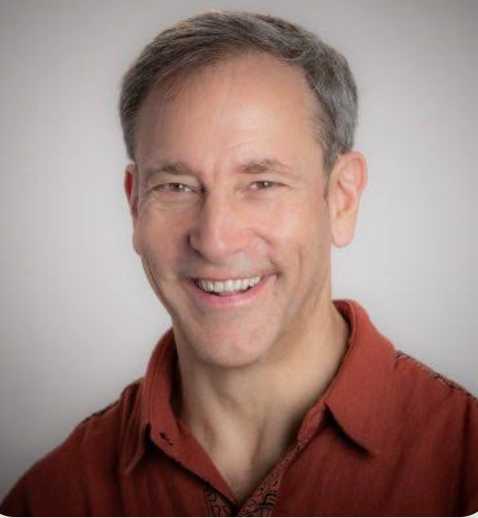
December 1961 - September 2026 Personal reflections by Lori Chortkoff Hops, PhD, DCEP, Former ACEP President Shockingly, we lost a great one. Teacher extraordinaire. Multitalented healer. Introspective thinker. Generously hearted. Craig Weiner lived life with gusto, whether vibing with international creative expressions of formal and street art or cherishing exotic cuisine, deftly climbing rocky heights, or sunset kayaking with whales in the sound. Craig was ever curious for the next adventure, delighted with spontaneous encounters with new and familiar souls and animals, sounds and colors. Holding a razor-sharp memory, Craig could easily quote an apt phrase, whether common or obscure, at a moment's notice , highlighting one of his many areas of expertise or fascination. How strange indeed to be left with the echoes of silence his memory traces through our collective grief. Only months before his passing from the physical form, Craig and his beloved wife and partner, Alina Frank , were newly settling into their home in sunny Mexico, far from their home of many years in the lush wetlands of the Pacific Northwest. In true Craig style, he befriended many people right away, while sharing his antics with those at home through his active social media sites. Many relished his detailed narratives with videos from stunning desert, sea, mountain, and waters of the world. Craig greeted people with glee, with his trusted dog Bibi (aka Habibi Bear) in tow. In true Craig fashion, Bibi sometimes was carried and worn like a scarf, riding on the back of Craig's neck. Craig gave unceasingly from his soul for the well-being of all, leaving an immeasurable impact on the field of energy healing. His accomplishments are broad and deep, and can be found listed on his website . In his brief time with us, though he accomplished much, he left many dreams unrealized. It is up to us to find our way to extend what we loved best about Craig, and make it happen with him in mind. Beyond his vast curricula of knowledge and products and classes, I was most touched by Craig's unceasing commitment to excellence, deeply sharing authentically from his heart moments of pain and joy, his snappy sense of humor, and his infectious smile with a hearty laugh asking us to meet his mood with our own joy. Craig's life is honored with two memorial services, in his two homes, with beloved friends and family. And we will all be able to track Craig's eternal spirit when we hear the splash of sea life, see silver light dancing on the water, and feel the warmth of love in laughing eyes, no matter the species. You can learn more about Craig's life story and work in his own words through this podcast interview with me . If you wish to donate to a charity in Craig Weiner's name, his wife Alina Frank has kindly requested choosing Jovenes Adelante . Jóvenes Adelante AC is a Mexican Donataria Autorizada; JA is a 501 (c) (3) non profit. All financial contributions are tax deductible. About the Autor Lori Chortkoff Hops, PhD, DCEP is a licensed psychologist in Westlake Village, California, USA. She is certified in Comprehensive Energy Psychology and Logosynthesis. Lori is a past ACEP president and Reiki master. Learn more about Lori at www.drlorihops.com . Lori teaches online intuition classes and consultation. Check out her podcast Healing Tips from the Heart: Helpers, Healers and Guides.
By Dawn Eidelman • October 14, 2026
Widening the Circle: The Ripple Effect (Part 1 of 3) 
By Amy Frost • October 14, 2026
When people hear the words humanitarian work, they may imagine traveling across the world to respond to a war, natural disaster, or humanitarian crisis. That work matters enormously. But over many years of working with veterans, military families, first responders, community leaders, and the ACEP Humanitarian Committee, I have learned something equally important: You do not have to travel across the world to change the world. You can begin with the community right in front of you. I grew up in a military family. I was born on an Air Force base. My uncle, a Navy pilot, died in a plane crash when I was very young. Years later, my husband Tom died during Desert Storm, and the life I thought I had mapped out suddenly disappeared. At the time, I had a successful career with the Department of Defense. I had an MBA. I knew how to organize, manage, execute, and get things done. Grief didn't particularly care. Eventually, my own search for healing led me to earn a master's degree in spiritual psychology. Over time, what began as my own journey became a calling to serve veterans and their families—and, increasingly, the many people who spend their lives serving others. Build Community Before the Crisis One of the most important lessons I have learned about humanitarian work is surprisingly simple: Don't just run in to help. Build relationships first. Years ago, through ACEP's humanitarian work, Suzanne Connolly, Dr. Kristin Miller, and I became involved in developing what evolved into a Veteran-to-Veteran project in Las Vegas. We didn't simply arrive with a program and tell veterans what we thought they needed. We reached out to people already trusted within the veteran community—leaders connected with the VA, Nevada veterans' services, veteran groups, and other community organizations. We listened. We built relationships and earned their buy-in. Then we introduced tools from Thought Field Therapy and energy psychology that they could use themselves and share within the circles where they already had trust. My job was not to become the center of the system. My job was to help strengthen the system that was already there. Our final formal training took place in April 2017. Six months later, on October 1, Las Vegas experienced a devastating mass shooting.  Suddenly, the relationships we had spent years cultivating mattered in ways none of us could have anticipated. I didn't have to figure out how to reach an entire traumatized city. The network already existed. I could reach the leaders I knew, support them, and help them support their own communities. Build community before the crisis. When something happens, you won't be starting from zero. The Ripples Create More Ripples Today, I continue working with veterans and their families throughout Las Vegas. I support the Rebel Vets community at UNLV when they need me, and I facilitate a monthly gathering at the City of North Las Vegas Veterans & Community Resource Center. We deliberately call it Women's Fun Day . Why? Because if we called it Suicide Prevention, a lot of people who need connection might never walk through the door. Women veterans come, but so do spouses, adult children, caregivers, and community supporters. We talk. We laugh. We practice something simple—a breathing technique, tapping, another self-regulation tool. Sometimes I support them. Sometimes they support me. And then something wonderful happens: people take what they learn and carry it somewhere else. One veteran I've known for years is now in pastry school and mentoring younger people there. She is sharing some of the practices she has learned with the young people she encounters. Others have created simple “walk and talk” gatherings in local parks or brought self-care practices into coffee shops and community groups. This is how humanitarian work grows: the ripples create more ripples. It doesn't always require a large grant, a formal program, or an airplane ticket. Sometimes it begins with a walk. Sometimes with coffee. Sometimes with one person asking another person, How are you, really? Hope Providers Need Hope, Too There is another part of humanitarian work that I believe we need to talk about much more openly. I call it providing hope for the hope providers . The people who spend their lives helping others—clinicians, first responders, veterans, caregivers, nonprofit leaders, teachers, humanitarians—can become extraordinarily good at appearing fine. They are often the people everyone else depends upon. That can make it very difficult for them to say, I need help. I think about suicide prevention through that wider lens. Long before someone reaches the most visible point of crisis, something may be disappearing mentally, emotionally, or spiritually. Someone may continue running an organization, caring for a family, or serving a community while quietly running out of resources themselves. I know something about this personally. After my husband died, there were moments when I did not want to be here. I had to find my own way through that terrain. Years later, during the aftermath of the Las Vegas shooting, my own grief resurfaced. I had spent years learning about self-care and teaching it to other people. But I discovered another layer underneath all my competence and activity. I needed to learn how to receive care, too. If we want people to remain in the work for the long haul, we have to support the people doing the supporting. Why ACEP Matters to Me This is one reason ACEP has become so important in my life. ACEP gives me community. It gives me people with whom I can have conversations I don't get to have anywhere else. It gives me trusted resources and colleagues who understand this work from the inside. Through ACEP's Humanitarian Committee and our conferences, I have met people who became dear friends—and then became collaborators in doing good in the world. We support one another. We challenge one another. We remind one another to practice the very things we teach. And ACEP's humanitarian work has never been only about what one committee accomplishes. Its real power lies in what happens when someone gets an idea, finds a few kindred spirits, learns useful tools, and takes them home. One person mentors another. One project becomes another. One community develops its own capacity to respond. Eventually, we don't even know where all the ripples have traveled. That is a good thing. Start Where You Are So what would I say to someone who feels called to humanitarian work but doesn't know where to begin? Start where you are. Find something you genuinely care about. Find the people already doing the work and listen to them. Learn a few practices that can help people regulate stress and reconnect with themselves and one another. Make those practices simple and accessible. Find collaborators. Take care of yourself while you are doing it. And then give other people permission to take what works and make it their own. You do not have to do everything. You are not supposed to. Maybe your contribution is traveling to a community in crisis. Maybe it is supporting the people who do. Maybe it is mentoring one young practitioner, gathering veterans for coffee, teaching a breathing technique, checking on a caregiver, or simply believing in someone who has forgotten how to believe in themselves. Make it simple. Make it fun. Do what you're here to do. Then let the ripples travel. Because perhaps that is the deepest lesson humanitarian work has taught me: we are not here to rescue one another. We are here to build communities strong enough that we can care for one another. About the Author Amy Frost, MBA, MA Spiritual Psychology, is an educator, facilitator, trainer, coach, writer, and longtime humanitarian whose work has included veterans, military families, first responders, community servants, and those who support them. A longtime member of ACEP's Humanitarian Committee and ACEP's 2018 Humanitarian of the Year, Amy has spent decades developing community-based approaches to resilience, self-care, peer support, and humanitarian service. Image by qimono from Pixabay
More Posts