Riding the Waves of Rapid Change Using Energy Practices

Lori Chortkoff Hops, PhD, DCEP • August 13, 2025

 “The only constant is change.”

Heraclitus of Ephesus
 

“People are very open-minded about new things, 
as long as they're exactly like the old ones.”

Charles F. Kettering
 

“Always remember, you have within you the strength, the patience, 
and the passion to reach for the stars to change the world.”

Harriet Tubman
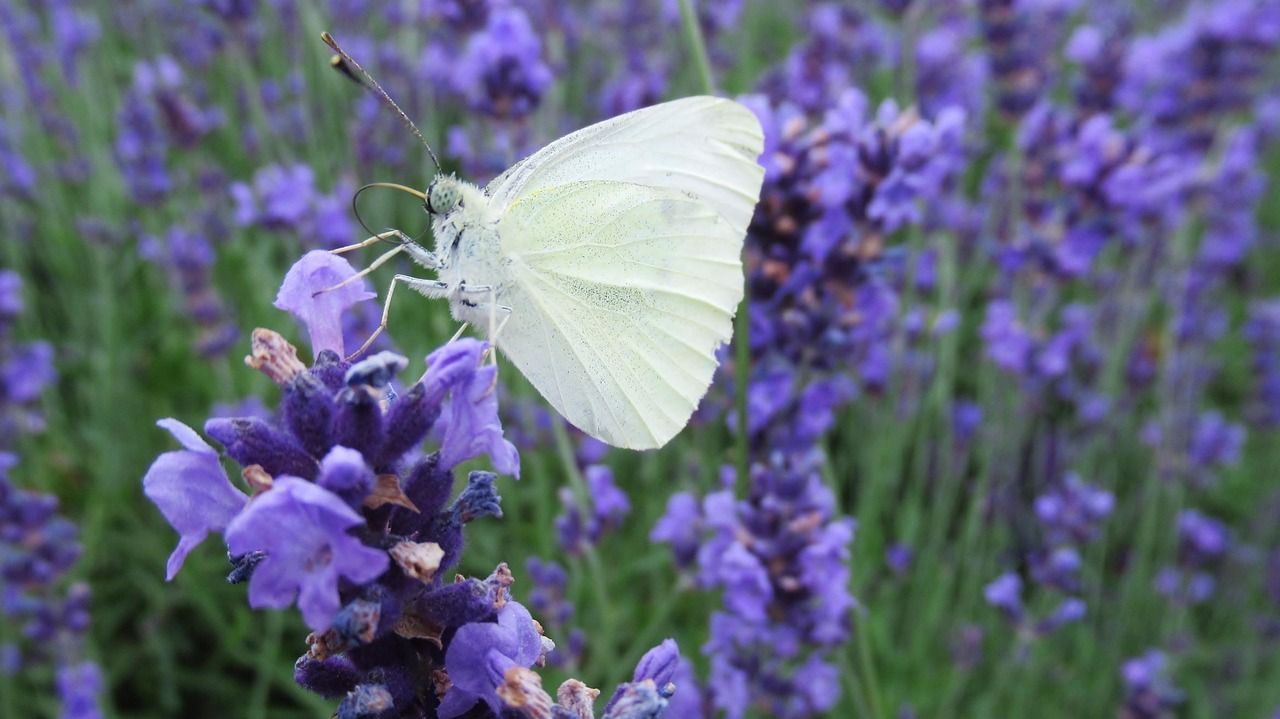
Just like the ebb and flow of the tides, change is a natural feature of life. At times it is welcomed as an exciting relief from boredom or hardship. Just like the thrill of riding a wave in the sea. At times it is rejected as a threat to life as we know it. Just like hunkering down during a storm. Reacting with caution is understandable. We often fear what we don’t understand. This is especially true when we don’t want the changes we must face.


Notice how you manage rapid changes. You may react with confidence, intrigue, overwhelm, or frustration. For many, energy practices ease the burden of change that is perceived as too rapid, overly consuming, or vastly destabilizing. You can learn to ride the waves of rapid change for greater balance, presence, and clarity using energy practices.
 

Are we facing too much change?

It’s been said we are living in times of unprecedented change in every part of our lives, collectively and individually. Predictable patterns of behavior established over decades are rapidly shifting. Migratory patterns of birds and whales are following shifting magnetic planetary routes, abandoning tried and true maps of travel. Seasonal transitions like the timing of emerging buds on plants in the spring or the fullness of fruit and grain for harvest days are both earlier and later than expected. Parts of the Earth that knew drought are flooding, and typically wet areas are scorched.


Dramatic technological changes pop up every few days. Our globe is being changed with scientific discoveries that affect our water, air, and light - for better and for worse. The planet herself is even traveling into new locales of space not witnessed by humanity, with unknown impact on our daily experience. Even the fabric of time seems to be speeding along faster than usual. We may be left with confusion, especially when looking for clues about an uncertain future. How do we proceed with such dizzying change?
 

Change naturally ebbs and flows

As we face new aspects of reality, sometimes feeling alone in our quest, there may be answers from the past that suggest how to survive and thrive. The Earth has been riding the waves of rapid change as a natural phenomenon for millenia. For instance, our planet was markedly volatile for much of its known history. Cataclysmic earthquakes, enormous volcanoes, epic storms, and devastating drought rendered parts of our planet uninhabitable. Our most recent brief period is miraculously calm in comparison, making our current existence possible. This suggests that even on a large scale, change is not always fast, broad, and ever present. The pace will slow eventually. Meanwhile, what shall we do?
 

What to do when change is at a peak?

Our ancestors were also faced with rapid change. And they wisely adapted by following paths and patterns which supported life. When an area became too harsh or unforgiving for sustenance, they moved on. Traveling from mountain to sea, desert to meadow, each part of the terrain offered its own gifts and challenges. When famine, climate, conflict, or overcrowding took its toll, people left, or waited for more favorable circumstances as best they could. They hung on to what worked from the past, and innovated. We can do the same, learning from the past, even as we try new things and make mistakes. This is how we grow.
 

Change fosters learning

It is not easy to live through upheaval and change, as humanity is wired to seek safety, predictability, and repetition. Sameness soothes our nervous system, and allows deeper connections internally and between people and surroundings. Think of resting in a fire-lit space with a full belly, daydreaming under sparkling stars, or joining harmonious voices singing a familiar song. Imagine the comfort of engaging with ritual practices passed down through the ages, or swaying with the peaceful steady rhythm of the waves on the sea. Things you can trust so that peacefulness prevails.


But if things stay the same for too long, nothing new can be born. We need novelty to not be psychologically asleep or to wither under the monotony. We learn by contrast. Creativity arrives with novelty, not with the familiar.


There is a tension between these spaces. We need both stability and change. If you are finding that change is painful, there is hope. You don’t have to curl into a ball, or cringe like the floor dropped out from underneath you. Energy practices can help you find balance and sanity when impending chaos is getting too close for comfort.
 

Energy practices to calm the chaos of change

There are a multitude of energy practices that can help bring you back to yourself, enhance your wellbeing, and foster a fertile space for new ideas and possibility. Try out one or more of these suggestions, or discover more on your own.


Grounding to the Earth, our collective home. Get to know her with bare feet on the soil, sand, or grass. Place your back against a tree trunk, breathing deeply the oxygen, and exhaling your carbon dioxide, feeding the plants as you do so. This fosters a balanced cycle of collective wellness. Your body will discharge positive electrons and absorb negative electrons with a series of health promoting effects. You can read more here about the benefits of grounding in this blog.


Centering in your body, mind, and spirit. You’ll be more balanced, calmer, and better able to choose to act rather than automatically react. Your boundaries will become stronger and more flexible, enhancing communication with others. Centering puts you in contact with deep aspects of consciousness and truth. You can read more about centering in this blog.


Moving from the head to the heart. Intellect alone won’t solve problems that are beyond your capacity to grasp. Rapid change in society, the environment, and inside of you, calls for deeper knowing than facts and opinions. When you move into your heart, the emotional center for compassion and present focus, perspectives shift. The heart finds its way to a different sort of knowing. Insights may arrive that you can’t reach as quickly or easily by using mental gymnastics. Several energy practices focus on the heart as a means for healing. Heart Assisted Therapy, The Blue Diamond Method, and calm breathing are a few. Try out several methods based in heart-centered attunement, until you find the right fit for you.


Discernment with creativity. It is exciting to entertain fresh ideas and projects, which seem to come out of thin air. It is important to balance the enthusiasm of innovation with logic, self-reflection, and wisdom. Then your plans are more likely to be fruitful and sustainable. Not all new ideas are good ideas, nor are they practical. Maybe some are to be shelved, and worked upon later with fresh eyes. Others need to wait for their time to come forward, with more favorable conditions. Need some assistance with discernment? Consider these resources for resilience exercises which aim to balance your right and left hemispheres for greater cognitive and emotional capacity. Try Brain Balancer, or Breathing into Balance.


Tapping on acupoint meridians can clear areas of congestion, blocks, and fears with change. Ask yourself what does change mean for you, especially when the odds are not in your favor. You may want to put the body at ease, when the mind and emotions churn a bit. There are simple instructions for working with energy psychology tapping points here. You might try these, adding them to your tapping routine, or create ones of your own.


Even if I am afraid of radical change, I can reach out for help as I am not alone. We are going through these changes together.


Even when I feel overwhelmed with life moving too fast, I can balance my own stability with change, with more practice every day.


Even if I am hesitant to allow good things to happen to me, because they can be taken away, I know it is not always true for me. I’ve been happy before and I will be once again.


Even if I feel put upon by the world, I carry my truth with hard earned experience and can find my way through bit by bit.


Riding the waves of rapid change using energy practices

It takes time for the nervous system to settle into new realities that are yet to be born. It is common to become confused about what’s necessary, safe, and wise. Add to that, mourning or celebrating what’s dying, and what’s being born. Many believe humanity is in such a state now. It is like the transition stage prior to physical birth. This is when the mother may become panicked, lashing out from fear, or freezing into shock. No wonder. She’s about to lose the physical home that she’s built for nine months with the life inside her. And a new unknown and mysterious relationship is about to be forged. This endeavor takes supreme dedication, and focus, and effort. There is no getting around that it’s messy.


After you see the state of the world, take time to tend to your needs. Be kind to yourself, the people you love, and offer grace to the people around you, and living beings of all forms and shapes. We’re being stretched, stretched, stretched. Just keep breathing with it. There are blessings in every single moment. Our heartbeat sounds. Our cells grow and die. Let the universal rhythm of life guide you. Step toward what has been with you your whole life. The thing that unifies yourself with others.


We are connected like roots growing underground, stretching out and touching one another. We do it with our breath. We do it with our hearts and thoughts. Try to keep a steady through line as you rise and fall with the huge quick waves of change. Of energy, of light, of emotion, of beliefs. It’s like learning to surf, using the energy of the wave to carry you. It is better than fighting the tide, being tossed around with turbulent waters. Let the energies crash down and reconstitute themselves as they lift you up for the next go around.


Together we ride the waves of rapid change. Use energy practices to stay at the center of it all, for clearer vision, steady aim, and meaningful purpose.
 

Want to learn more?

Learn energy psychology tapping from ACEP programs. You can practice self-care, add tools to your professional practice, and join a community of providers. Want to meet others who are doing this work? ACEP brings together practitioners, educators, change makers, and leaders. You can find people from around the world with similar interests through various gatherings with communities of practice, regional groups, and ACEP committees. Join ACEP and find out what the buzz is about. We are stronger together, as we weather the changes.


Author

Lori Chortkoff Hops, PhD, DCEP is a licensed psychologist in Westlake Village, California, USA. She is certified in Comprehensive Energy Psychology and Logosynthesis. Lori is a past ACEP president and Reiki master. Learn more about Lori at www.drlorihops.com. Lori teaches online intuition classes and consultation. Check out her podcast Healing Tips from the Heart: Helpers, Healers and Guides.


Image by Jun from Pixabay

By Lori Chortkoff Hops • October 14, 2026
December 1961 - September 2026 Personal reflections by Lori Chortkoff Hops, PhD, DCEP, Former ACEP President Shockingly, we lost a great one. Teacher extraordinaire. Multitalented healer. Introspective thinker. Generously hearted. Craig Weiner lived life with gusto, whether vibing with international creative expressions of formal and street art or cherishing exotic cuisine, deftly climbing rocky heights, or sunset kayaking with whales in the sound. Craig was ever curious for the next adventure, delighted with spontaneous encounters with new and familiar souls and animals, sounds and colors. Holding a razor-sharp memory, Craig could easily quote an apt phrase, whether common or obscure, at a moment's notice , highlighting one of his many areas of expertise or fascination. How strange indeed to be left with the echoes of silence his memory traces through our collective grief. Only months before his passing from the physical form, Craig and his beloved wife and partner, Alina Frank , were newly settling into their home in sunny Mexico, far from their home of many years in the lush wetlands of the Pacific Northwest. In true Craig style, he befriended many people right away, while sharing his antics with those at home through his active social media sites. Many relished his detailed narratives with videos from stunning desert, sea, mountain, and waters of the world. Craig greeted people with glee, with his trusted dog Bibi (aka Habibi Bear) in tow. In true Craig fashion, Bibi sometimes was carried and worn like a scarf, riding on the back of Craig's neck. Craig gave unceasingly from his soul for the well-being of all, leaving an immeasurable impact on the field of energy healing. His accomplishments are broad and deep, and can be found listed on his website . In his brief time with us, though he accomplished much, he left many dreams unrealized. It is up to us to find our way to extend what we loved best about Craig, and make it happen with him in mind. Beyond his vast curricula of knowledge and products and classes, I was most touched by Craig's unceasing commitment to excellence, deeply sharing authentically from his heart moments of pain and joy, his snappy sense of humor, and his infectious smile with a hearty laugh asking us to meet his mood with our own joy. Craig's life is honored with two memorial services, in his two homes, with beloved friends and family. And we will all be able to track Craig's eternal spirit when we hear the splash of sea life, see silver light dancing on the water, and feel the warmth of love in laughing eyes, no matter the species. You can learn more about Craig's life story and work in his own words through this podcast interview with me . If you wish to donate to a charity in Craig Weiner's name, his wife Alina Frank has kindly requested choosing Jovenes Adelante . Jóvenes Adelante AC is a Mexican Donataria Autorizada; JA is a 501 (c) (3) non profit. All financial contributions are tax deductible. About the Autor Lori Chortkoff Hops, PhD, DCEP is a licensed psychologist in Westlake Village, California, USA. She is certified in Comprehensive Energy Psychology and Logosynthesis. Lori is a past ACEP president and Reiki master. Learn more about Lori at www.drlorihops.com . Lori teaches online intuition classes and consultation. Check out her podcast Healing Tips from the Heart: Helpers, Healers and Guides.
By Dawn Eidelman • October 14, 2026
Widening the Circle: The Ripple Effect (Part 1 of 3) 
By Amy Frost • October 14, 2026
When people hear the words humanitarian work, they may imagine traveling across the world to respond to a war, natural disaster, or humanitarian crisis. That work matters enormously. But over many years of working with veterans, military families, first responders, community leaders, and the ACEP Humanitarian Committee, I have learned something equally important: You do not have to travel across the world to change the world. You can begin with the community right in front of you. I grew up in a military family. I was born on an Air Force base. My uncle, a Navy pilot, died in a plane crash when I was very young. Years later, my husband Tom died during Desert Storm, and the life I thought I had mapped out suddenly disappeared. At the time, I had a successful career with the Department of Defense. I had an MBA. I knew how to organize, manage, execute, and get things done. Grief didn't particularly care. Eventually, my own search for healing led me to earn a master's degree in spiritual psychology. Over time, what began as my own journey became a calling to serve veterans and their families—and, increasingly, the many people who spend their lives serving others. Build Community Before the Crisis One of the most important lessons I have learned about humanitarian work is surprisingly simple: Don't just run in to help. Build relationships first. Years ago, through ACEP's humanitarian work, Suzanne Connolly, Dr. Kristin Miller, and I became involved in developing what evolved into a Veteran-to-Veteran project in Las Vegas. We didn't simply arrive with a program and tell veterans what we thought they needed. We reached out to people already trusted within the veteran community—leaders connected with the VA, Nevada veterans' services, veteran groups, and other community organizations. We listened. We built relationships and earned their buy-in. Then we introduced tools from Thought Field Therapy and energy psychology that they could use themselves and share within the circles where they already had trust. My job was not to become the center of the system. My job was to help strengthen the system that was already there. Our final formal training took place in April 2017. Six months later, on October 1, Las Vegas experienced a devastating mass shooting.  Suddenly, the relationships we had spent years cultivating mattered in ways none of us could have anticipated. I didn't have to figure out how to reach an entire traumatized city. The network already existed. I could reach the leaders I knew, support them, and help them support their own communities. Build community before the crisis. When something happens, you won't be starting from zero. The Ripples Create More Ripples Today, I continue working with veterans and their families throughout Las Vegas. I support the Rebel Vets community at UNLV when they need me, and I facilitate a monthly gathering at the City of North Las Vegas Veterans & Community Resource Center. We deliberately call it Women's Fun Day . Why? Because if we called it Suicide Prevention, a lot of people who need connection might never walk through the door. Women veterans come, but so do spouses, adult children, caregivers, and community supporters. We talk. We laugh. We practice something simple—a breathing technique, tapping, another self-regulation tool. Sometimes I support them. Sometimes they support me. And then something wonderful happens: people take what they learn and carry it somewhere else. One veteran I've known for years is now in pastry school and mentoring younger people there. She is sharing some of the practices she has learned with the young people she encounters. Others have created simple “walk and talk” gatherings in local parks or brought self-care practices into coffee shops and community groups. This is how humanitarian work grows: the ripples create more ripples. It doesn't always require a large grant, a formal program, or an airplane ticket. Sometimes it begins with a walk. Sometimes with coffee. Sometimes with one person asking another person, How are you, really? Hope Providers Need Hope, Too There is another part of humanitarian work that I believe we need to talk about much more openly. I call it providing hope for the hope providers . The people who spend their lives helping others—clinicians, first responders, veterans, caregivers, nonprofit leaders, teachers, humanitarians—can become extraordinarily good at appearing fine. They are often the people everyone else depends upon. That can make it very difficult for them to say, I need help. I think about suicide prevention through that wider lens. Long before someone reaches the most visible point of crisis, something may be disappearing mentally, emotionally, or spiritually. Someone may continue running an organization, caring for a family, or serving a community while quietly running out of resources themselves. I know something about this personally. After my husband died, there were moments when I did not want to be here. I had to find my own way through that terrain. Years later, during the aftermath of the Las Vegas shooting, my own grief resurfaced. I had spent years learning about self-care and teaching it to other people. But I discovered another layer underneath all my competence and activity. I needed to learn how to receive care, too. If we want people to remain in the work for the long haul, we have to support the people doing the supporting. Why ACEP Matters to Me This is one reason ACEP has become so important in my life. ACEP gives me community. It gives me people with whom I can have conversations I don't get to have anywhere else. It gives me trusted resources and colleagues who understand this work from the inside. Through ACEP's Humanitarian Committee and our conferences, I have met people who became dear friends—and then became collaborators in doing good in the world. We support one another. We challenge one another. We remind one another to practice the very things we teach. And ACEP's humanitarian work has never been only about what one committee accomplishes. Its real power lies in what happens when someone gets an idea, finds a few kindred spirits, learns useful tools, and takes them home. One person mentors another. One project becomes another. One community develops its own capacity to respond. Eventually, we don't even know where all the ripples have traveled. That is a good thing. Start Where You Are So what would I say to someone who feels called to humanitarian work but doesn't know where to begin? Start where you are. Find something you genuinely care about. Find the people already doing the work and listen to them. Learn a few practices that can help people regulate stress and reconnect with themselves and one another. Make those practices simple and accessible. Find collaborators. Take care of yourself while you are doing it. And then give other people permission to take what works and make it their own. You do not have to do everything. You are not supposed to. Maybe your contribution is traveling to a community in crisis. Maybe it is supporting the people who do. Maybe it is mentoring one young practitioner, gathering veterans for coffee, teaching a breathing technique, checking on a caregiver, or simply believing in someone who has forgotten how to believe in themselves. Make it simple. Make it fun. Do what you're here to do. Then let the ripples travel. Because perhaps that is the deepest lesson humanitarian work has taught me: we are not here to rescue one another. We are here to build communities strong enough that we can care for one another. About the Author Amy Frost, MBA, MA Spiritual Psychology, is an educator, facilitator, trainer, coach, writer, and longtime humanitarian whose work has included veterans, military families, first responders, community servants, and those who support them. A longtime member of ACEP's Humanitarian Committee and ACEP's 2018 Humanitarian of the Year, Amy has spent decades developing community-based approaches to resilience, self-care, peer support, and humanitarian service. Image by qimono from Pixabay
More Posts