The Science Behind EFT: How Tapping Connects Body and Mind
What Happens When We Tap?
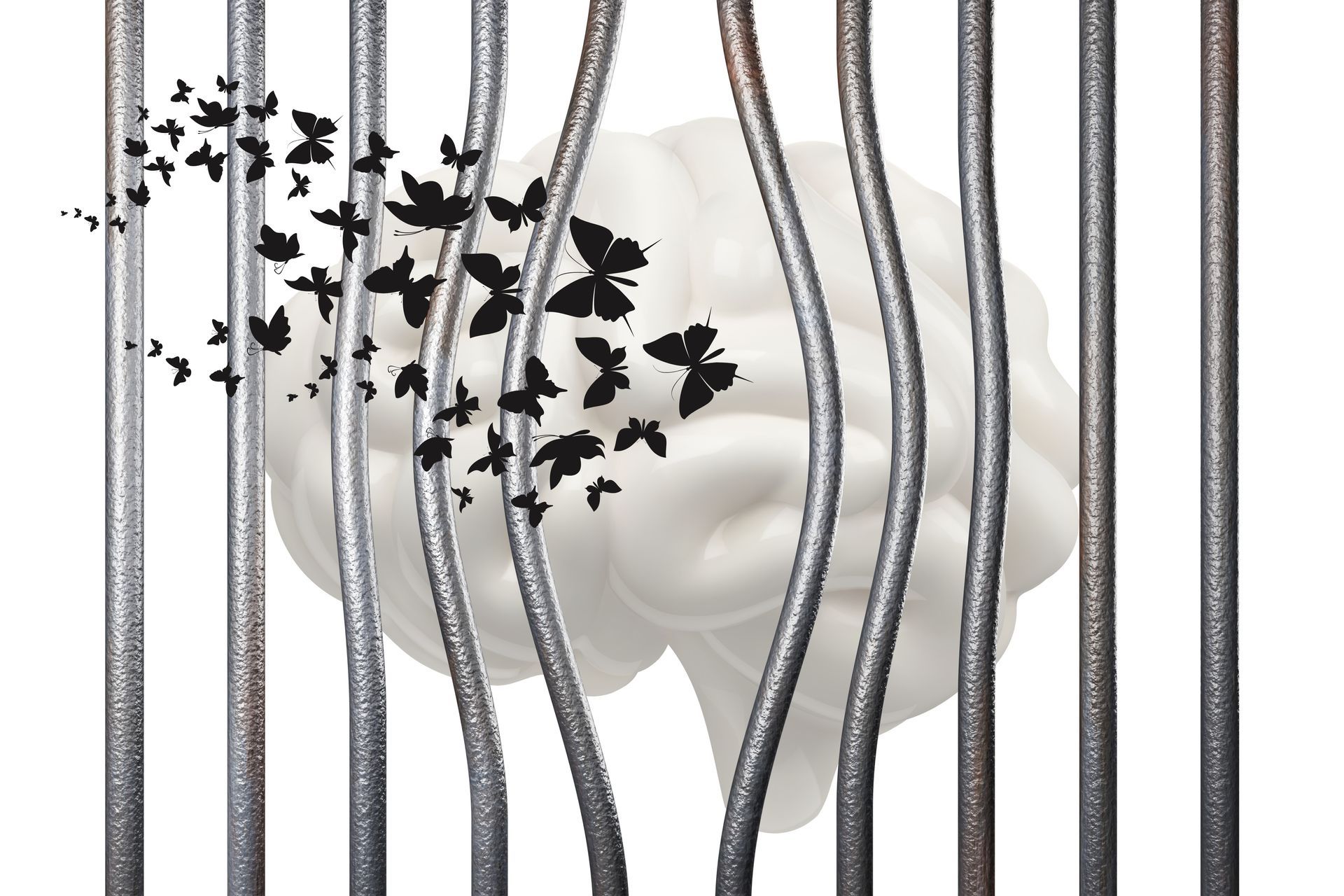
When people encounter tapping as a core component of EFT (Emotional Freedom Techniques), they may ask: “How does tapping on the body actually influence the mind?” Others wonder whether the specific points on the body hold significance and which mechanisms may connect those points to the brain.
The “how” and “why” behind tapping can seem mysterious, yet research is increasingly uncovering physiological and psychological mechanisms that may help explain how this practice supports individuals in processing and managing traumatic memories.
David Feinstein, a recognized teacher, author, and researcher in Energy Psychology, has encountered these questions many times. In response, he set out to synthesize existing research and explain the principles that may underlie tapping’s clinical effects.
In a 2025 article published in Frontiers in Psychology, Feinstein reviewed findings from more than 200 peer-reviewed clinical trials. He identified five core premises that, taken together, offer a framework for understanding the physiological effects associated with tapping.
Feinstein notes that, although many theories and a great deal of speculation have attempted to explain how EFT protocols produce therapeutic outcomes, several areas of consensus have emerged. Taken together, these ideas highlight connections between the body and brain that may help explain EFT’s effectiveness.
A range of Energy Psychology modalities incorporate acupoint tapping, including Thought Field Therapy (TFT). Other trauma therapies, such as Eye Movement Desensitization and Reprocessing (EMDR), may use different forms of bilateral sensory stimulation. For this research summary, Feinstein focused on EFT because it is the most widely practiced and researched modality in Energy Psychology.
Five Key Premises
1. Stimulation of acupoints generates distinct electrochemical signals
These signals influence both the body and brain in measurable ways. When an acupoint is tapped, physical pressure may be converted into electromagnetic signals in sensitive connective tissue. These signals travel via afferent nerves and the body’s communication networks to the brain.
Research shows that this process is associated with biological changes, such as reduced levels of stress hormones like cortisol and shifts in gene expression related to emotional balance and brain flexibility. By engaging the same pathways the body uses to send information from the skin, heart, and digestive system to the brain, acupoint tapping provides one illustration of how physical stimulation activates the mind–body connection.
2. Tapping activates brain regions associated with the memories, thoughts, and emotions brought to mind
When tapping is paired with specific words, thoughts, and images, the signals may reach brain areas linked to fear responses, emotional experiences, and material outside conscious awareness. By pairing and processing these memories with current sensory experience, tapping can begin to access and change long-held emotional patterns.
3. Tapping signals are transmitted through afferent nerves and connective tissue
When a person focuses on a problem while tapping an acupoint, the brain areas linked to that issue become active. At the same time, physical pressure from tapping is converted into electrochemical signals that travel to the brain through sensory nerves and connective tissue.
Because connective tissue around acupoints contains electrically conductive fibers, these signals may travel rapidly and influence the same brain regions activated by focused attention. This may help explain the rapid emotional and physical effects reported in some tapping studies.
Importantly, this explanation does not rely solely on traditional meridian theory, but also draws upon measurable biological systems such as nerves and connective tissue.
4. Acupoint tapping may regulate clinically relevant brain regions
Incoming signals can either increase or decrease activity in parts of the brain, supporting balance and adaptive behavior. This regulation promotes homeostasis, helping the brain respond more flexibly instead of remaining caught in patterns of stress or threat, such as fight, flight, or freeze.
5. Tapping may support change in distressing memories and maladaptive mental models
By activating memories while the nervous system remains regulated, tapping may support the brain’s natural ability to reprocess and update stored experiences, a phenomenon known as memory reconsolidation. This offers one possible explanation for why the cognitive, emotional, and behavioral changes associated with tapping may endure over time.
Tapping specific acupoints while recalling difficult experiences may also enhance exposure-based approaches. Acupoint tapping can help keep the nervous system regulated, allowing memories to be processed without becoming overwhelming.
Why This Research Matters
That’s a lot of information, so let’s bring it together.
Research increasingly suggests that tapping on specific acupoints engages both the nervous system and the brain. When applied through structured approaches like EFT, it creates an opportunity to shift how we experience memories and emotional responses. This can lead to meaningful insight, emotional balance, and lasting therapeutic change.
Feinstein’s review highlights the possibility that tapping activates the body’s innate regulatory resources, supporting its use as an increasingly researched, evidence-informed therapeutic approach.
Read the Research
Feinstein, D. (2025). How tapping works: Physiological and psychological mechanisms in energy psychology treatments.
Frontiers in Psychology, 16, 1660375.
https://www.frontiersin.org/journals/psychology/articles/10.3389/fpsyg.2025.1660375/full
About the Author
Ramona K. Clifton, LCSW, is a therapist and coach in Brooklyn, New York. She incorporates EFT, mindfulness, and a deep appreciation for individual experience and creative drive into her work. She is a member of ACEP and serves on its Communications Committee.